Eureka, Inc. (hereafter "Eureka") is the company operating Pairs, a dating and matchmaking app. Eureka has built a workplace where English communication and cultural inclusivity naturally thrive as part of everyday life. To showcase how this culture continues to evolve, we spoke with John, a long-time Eureka member now on the Mobile Platform team and a driving force behind English-friendly practices and community-building initiatives.
Employee Profile
Name: John
Team: Mobile Platform (formerly an iOS Engineer)
Joined: 2014
Current role: Staff Engineer, Mobile Platform
Background: Studied overseas before beginning his career in Japan, starting in traditional B to B (business to business, hereafter “B2B”) companies before eventually joining Eureka.
A word from John:
“I wanted to work on a product that touches real users directly. Eureka gave me that—and a culture where ideas are welcome.”
This article has been adapted from an original piece on Pairs Careers.
John’s Journey at Eureka
What brought you to Eureka?
Before joining, John crossed paths with Eureka while doing outsourced development for another client project. “Eureka already left a strong impression—great design, sharp engineering,” he recalls. “When I heard they were hiring for a new service called Couples, I reached out to the founders.”
At the time, John had been working at traditional B2B companies but was eager to move into a product organization where he could build something that reached users directly. He also had a personal connection to the idea of online connection—he met his wife through an online game back when mobile online play was just starting to take off in Japan.
“I knew online could change lives. That’s why Pairs made sense to me,” John shares. For him, joining Eureka wasn’t just a career move; it was a chance to align his work with his own values. “When you experience how technology can change your own life, it becomes more than just work.”
What was the culture like when you joined?
“It was very much a startup, in the best way,” John recalls. With just over 30 people at the time, everyone wore multiple hats. There weren’t many instructions or rigid processes; instead, initiative and experimentation drove the work forward. “Any idea that could help the product move forward was welcome. It was flexible, collaborative, and intense at times, but the good kind of intense.”
John remembers the atmosphere vividly. The small office often felt crowded, but that closeness sparked spontaneous conversations. Designers, engineers, and product managers sat side by side, trading quick feedback and ideas. He recalls nights when everyone stayed late, not because they had to, but because they were excited to test a new feature together. “Even as just one engineer, you could see the impact of your work immediately. That’s what made it so rewarding.”
The pace fit perfectly with his life at the time: eager to grow, and ready to push himself as an engineer. “The startup environment gave me freedom, but it also challenged me,” he says. “I learned to be resourceful, to figure things out when documentation didn’t exist, and to value the collective drive of a small but passionate team.”
As an engineer who grew up outside Japan, what early challenges did you face here?
Since John had already worked in Japanese companies, neither the language nor the daily tools felt like barriers. “In my previous B2B roles, I took external calls and had to sharpen my keigo. At Eureka, I could finally focus on my specialty. No one forced overtime, the motivation came from wanting to ship something great.”
When it came to cultural differences, John’s approach was simple and respectful: “I’m the one living in Japan, so I learn and blend in while meeting people halfway.” He still remembers how welcoming his colleagues were in those early days: “Even if my Japanese wasn’t perfect, people were patient and supportive. That kind of warmth makes it easier to belong.”
Over time, that openness gave him the confidence to speak up more, even in areas outside his direct responsibilities. “I learned that inclusion isn’t just about translating documents—it’s about how people respond when you try.”
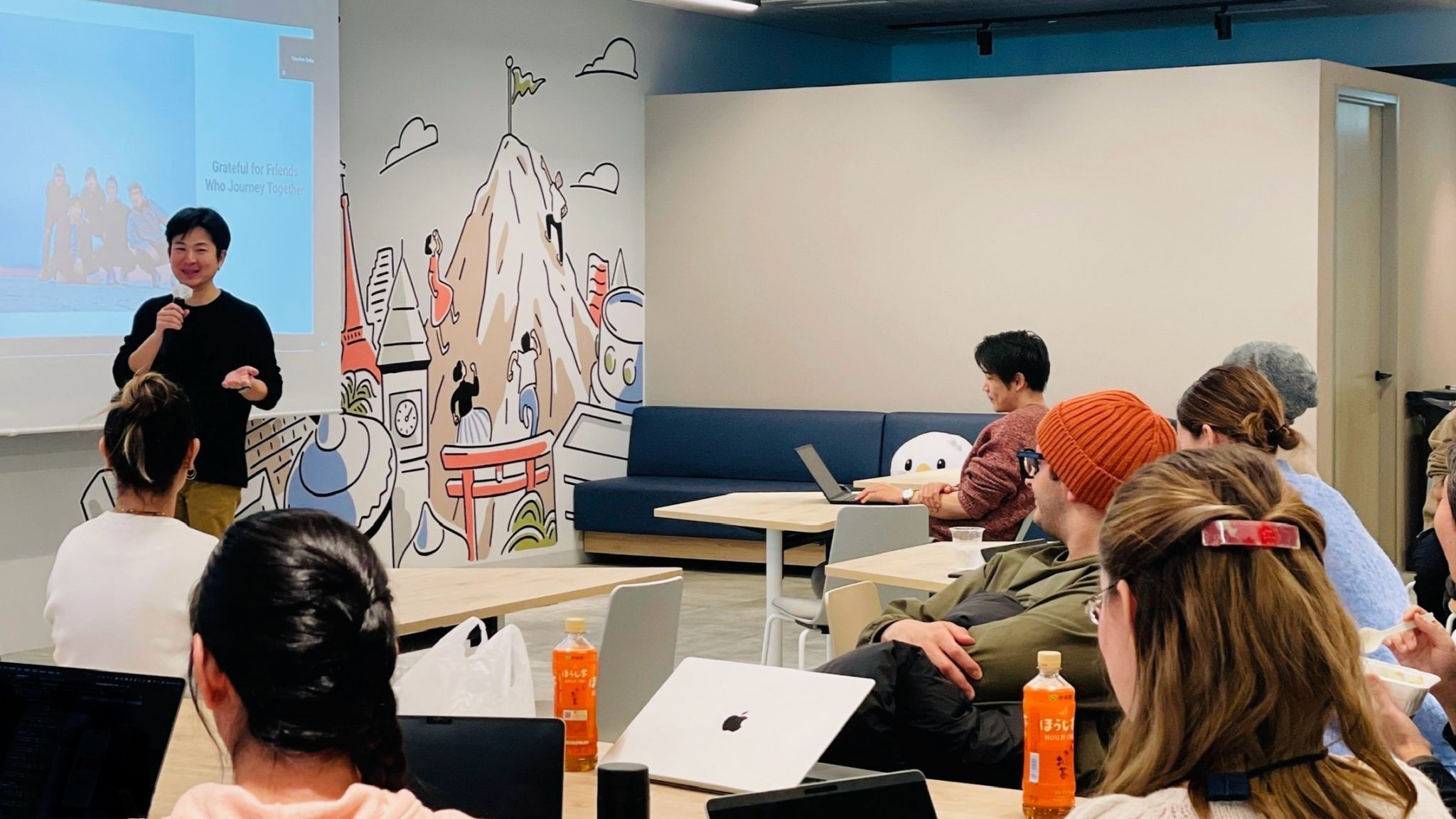
Creating an English‑Friendly & Inclusive Culture: English Talk
How did English Talk begin?
John is quick to clarify: this was a team effort. Around 2018, a small “Diversification Team” started operating in English after hiring Aymen, Eureka’s first non-Japanese-speaking member. “We ran meetings and documentation in English. Then over lunch one day, someone asked, ‘How can we help more people feel comfortable using English at work?’”
That simple question sparked English Talk—a lunchtime, opt-in session where fluent speakers could practice public speaking and learners could practice listening. It became a bridge for both groups to connect and learn from each other. John remembers those early sessions as experimental but fun: “We weren’t aiming for perfection, just participation.”
What made it work?
English Talk worked because it kept the barriers low. “You didn’t need slick slides. People could talk about anything, even their pets. That made it easy for first-time presenters.”
The real challenge wasn’t finding speakers; it was keeping participants engaged during busy weeks. Yet the energy kept building. More teams joined in. Executives started presenting. Topics broadened from hobbies and travel to technical deep dives.
For John, the most rewarding part was seeing shy newcomers light up when they realized their stories were valued. “It gave people confidence, and it gave us a chance to see another side of them.”
He still remembers how colleagues opened up about personal passions, sometimes surprising everyone with hidden talents like composing music or DJing. “Those discoveries made the workplace feel more human.”
Building Community through “Tea Time”
What is Tea Time like from a participant’s perspective?
The idea came from a teammate who had seen it work elsewhere. Held in the late afternoon, close to wrap-up, Tea Time gives people the chance to drop by with a drink, bring a laptop if needed, and chat. “It’s free to join, free to leave. That’s why it works,” John says.
How does it help people connect?
For new joiners, Tea Time offers a relaxed, face-to-face way to meet colleagues beyond their immediate team. It’s also a place where teammates returning from parental leave can reconnect quickly, and where travelers share what they learned at conferences or on vacation.
Since the atmosphere is informal, work ideas often surface naturally and move faster. “When everyone’s at ease, it’s easier to float new ideas,” John explains.
What are some memorable moments from Tea Time?
Conversations about parenting and child care stand out for John, with peers trading tips and advice with genuine empathy. “I remember hearing from colleagues who had already raised kids. Their advice felt sincere, almost like family members guiding me.”
There has also been an unexpected education in tea itself. “I’m not a connoisseur, but some flavors were genuinely memorable,” he laughs.
What John values most, however, is how Tea Time gives visibility to voices that might otherwise stay quiet. “Some colleagues are shy in formal meetings, but in a casual chat, they open up. That helps us understand each other better.”
These light, personal exchanges, he says, build the trust that later supports serious teamwork. “Small talks help build big trust.”
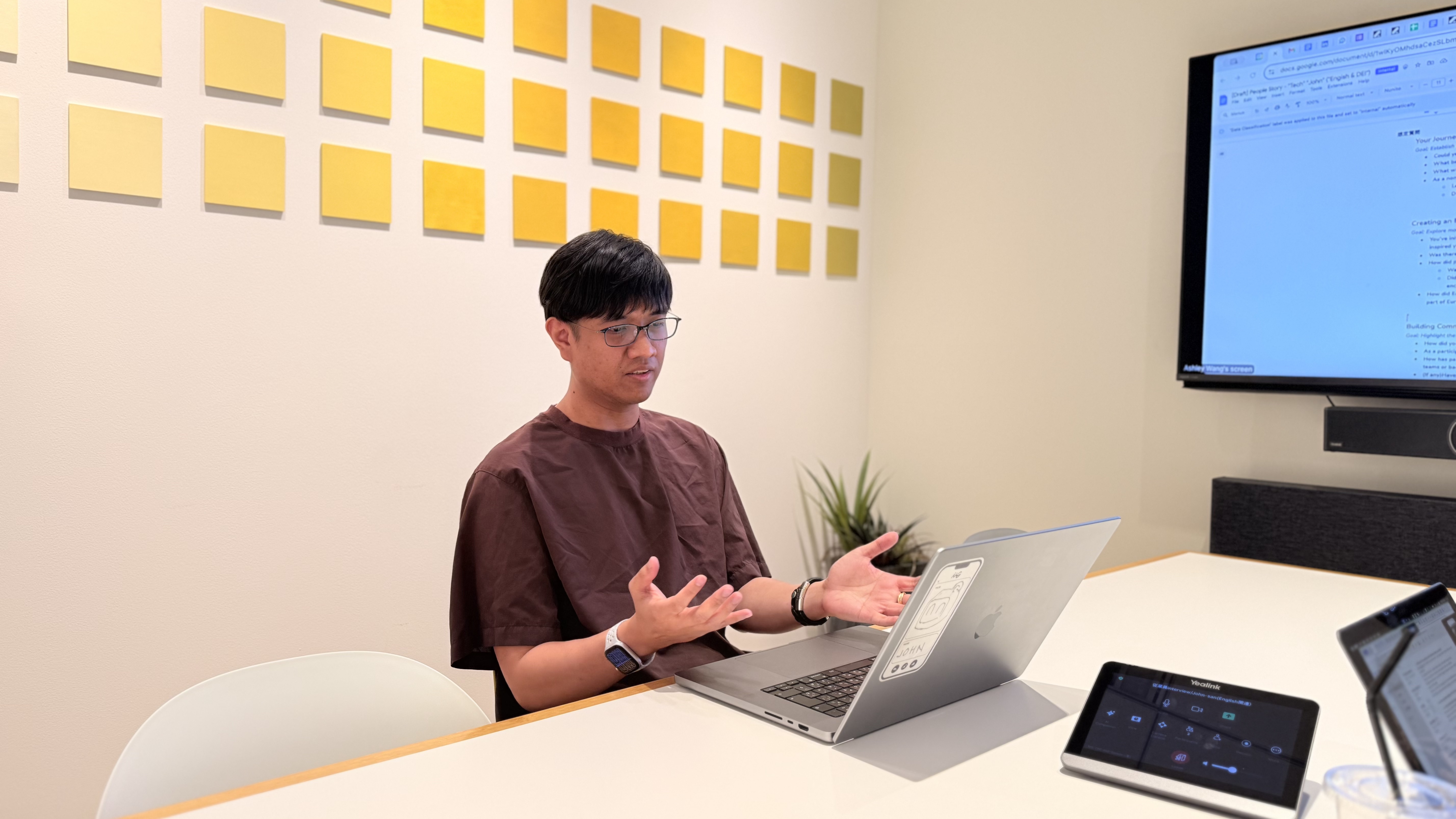
Looking Ahead: Globalization and Inclusion at Eureka
How would you rate Eureka today in terms of inclusivity?
John avoids simple comparisons. DEI awareness varies widely across Japan, and his past employers belonged to a different era. Still, he sees Eureka in a strong position, both structurally and culturally. “We’re already multicultural, and we collaborate with other brands across our parent company overseas. If we miss something, feedback finds us quickly.”
What’s working, and what could improve?
John sees several things working well at Eureka, starting with optionality and respect. Teams choose the tools and languages that best fit their members, and company events provide live interpretation so no one is left out. “We don’t set rigid language gates; we meet halfway and use translation tools. That keeps flexibility.”
At the same time, he believes there’s room to improve cross-team awareness. “Managers pick tools that work locally, but they may not know what’s working in other teams. More sharing of how teams handle bilingual docs, live translation, or onboarding would help everyone.” John believes that this kind of cross-pollination is as valuable culturally as it is technically. “You realize your team isn’t alone. Others are solving the same challenges.”
He also points out how technology continues to break down barriers: translation tools, live interpretation at company-wide meetings, and even AI-based language support are making participation easier for everyone. “It’s encouraging to see people use these tools not just to understand, but to participate.”
A Message to Global Candidates
“Don’t choose a job because of your global background. Choose it because your skills and the team are a match.” At Eureka, culture and language aren’t gatekeepers; curiosity and collaboration are.
John encourages candidates to ask practical questions during interviews: How does this team communicate day to day? How do non-Japanese speakers work here? What tools and rituals make it inclusive?
“If the mindset fits—willingness to learn, to meet teammates halfway—you’ll find a welcoming place to grow.” He also emphasizes that flexibility works both ways. “The teams I’ve worked with are open and adaptable. But it also helps if you’re willing to adapt yourself. That’s when collaboration works best.”
Looking back, John adds one final reflection: “What struck me over the years is how colleagues step in naturally when someone struggles. Support here isn’t a special favor, it’s simply how people work together. That makes Eureka a place where you feel you belong.”
/assets/images/21616600/original/c1860200-2b32-42a9-9b3a-d5256bb18698?1752723308)
/assets/images/21616600/original/c1860200-2b32-42a9-9b3a-d5256bb18698?1752723308)