 liftyolife.com
 liftyolife.com
 liftyolife.com
Liquid IV Vs Pedialyte: Which Is Better? | Liftyolife.com
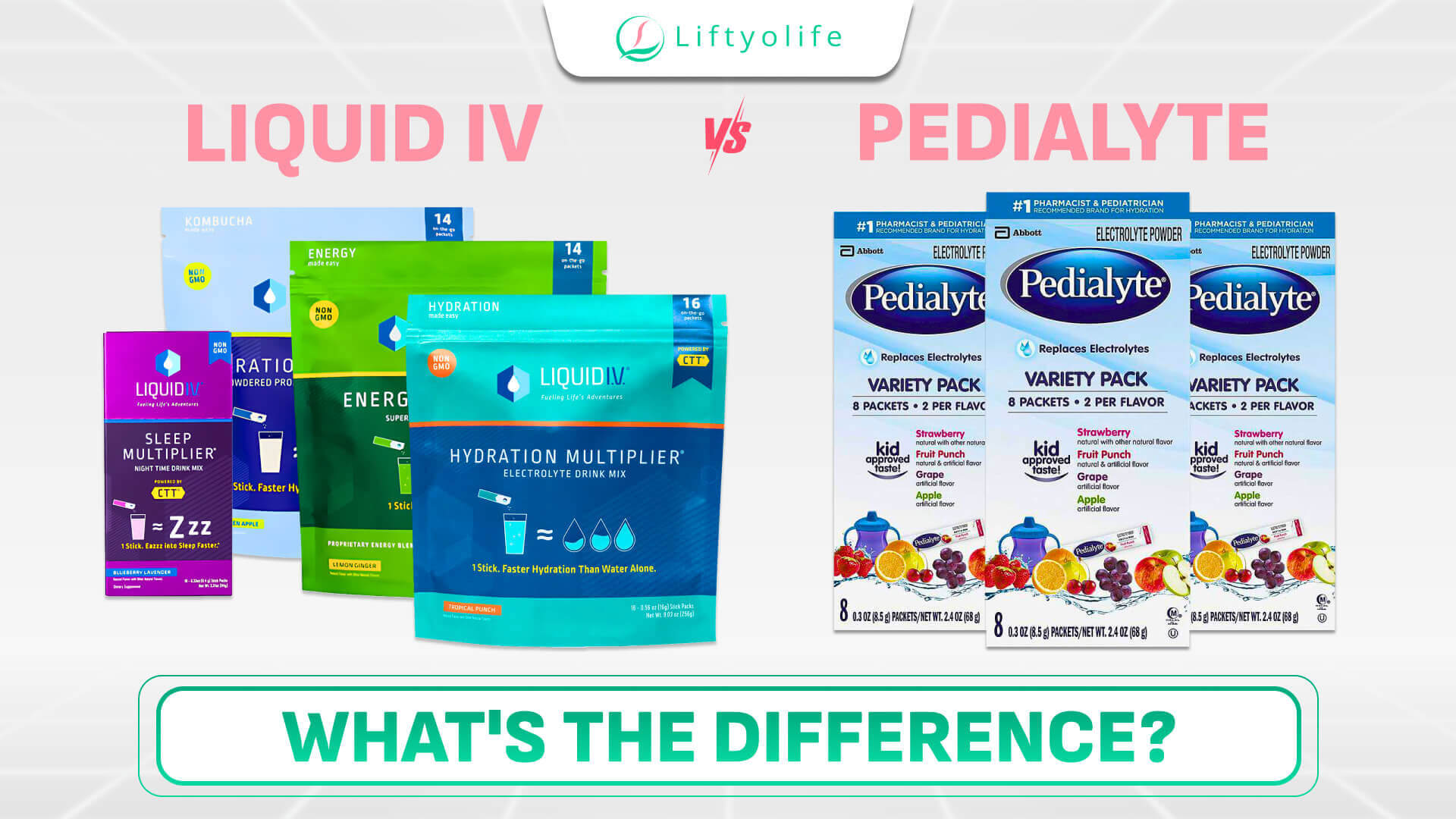
Pedialyte and Liquid IV are two of the most popular brands of oral rehydration solution (ORS) on the market. But what's the difference between them? And which is better for you? Read on to find out! feature-image Liquid IV vs Pedialyte: What's The Difference? When it comes to dehydration, there are two main types: liquid and dry. Liquid dehydration is when you lose water from your body through oral intake, such as drinking fluids or juices. Dry dehydration is when your body loses water from the inside, through sweat and urine. One popular method of treating dehydration is via a liquid IV drip. A liquid IV drip is a type of infusion that delivers medications and other fluids directly into your blood stream through an intravenous (IV) line. This type of infusion can help replenish lost fluids and electrolytes, such as sodium and potassium, in the short term. Another way to treat dehydration is with Pedialyte. Pedialyte is a type of rehydration solution that is usually diluted with water or milk. It's designed to replace the fluids and salts that are lost in sweat and urine, providing relief for both short-term and long-term dehydration symptoms. While both liquids and pedialytes can be helpful in treating dehydration, they come with their own set of benefits and drawbacks. Here's a closer look at what each option offers: Liquid IVs vs Pedialytes Liquid IV - Pros and Cons When it comes to providing hydration and replacing fluids, there are a few different options available. One of these options is liquid IVs, which are often seen as the gold standard for hydration. However, there are some important differences between liquid IVs and other types of fluids that should be considered before making a decision. In this blog post, we'll discuss the pros and cons of both liquid IVs and pedialyte, with an aim to help you make an informed choice about which type of fluid is best for you. Pedialyte - Pros and Cons Pedialyte is a clear, sterile solution that is often given to children to help with dehydration. It comes in concentrated form, and can be diluted with water or fruit juice for adults. Pedialyte is generally considered safe and effective, but there are some cons to be aware of. First and foremost, Pedialyte can be expensive. A bottle of the concentrate can cost around $2-3, while a bottle of dilution (with water or juice) costs around $1.50. Additionally, it can take a while for Pedialyte to work its magic - usually it takes about an hour for the solution to start working its hydration benefits. Another downside to Pedialyte is that it doesn't have a long shelf life - after about two years it starts to lose its potency. Finally, some people find that Pedialyte doesn't taste as good as other options when diluted with juice or water. Read more here: https://liftyolife.com/liquid-iv-vs-pedialyte/ Conclusion If you're looking for an electrolyte solution to help hydrate your body in a pinch, either liquid IV or Pedialyte can be a great option. However, there are some key differences between the two that you should know about. Liquid IV is more concentrated than Pedialyte, so it will provide more hydration in a shorter amount of time. It is also available as a bolus injection, which means you can give it directly to your bloodstream if necessary. Pedialyte, on the other hand, is designed to be taken orally and provides slower-acting hydration over a longer period of time. About Liftyolife: Liftyolife is a healthcare and beauty website with news and tips for better living. Our website also has information about drugs and supplements.